Navratri Fast Recipes
Navratri is one of the most popular Hindu festivals in India. It is celebrated with great devotion to Goddess Durga. During these nine days, many people observe fasting and prepare special dishes using ingredients allowed during their fast.
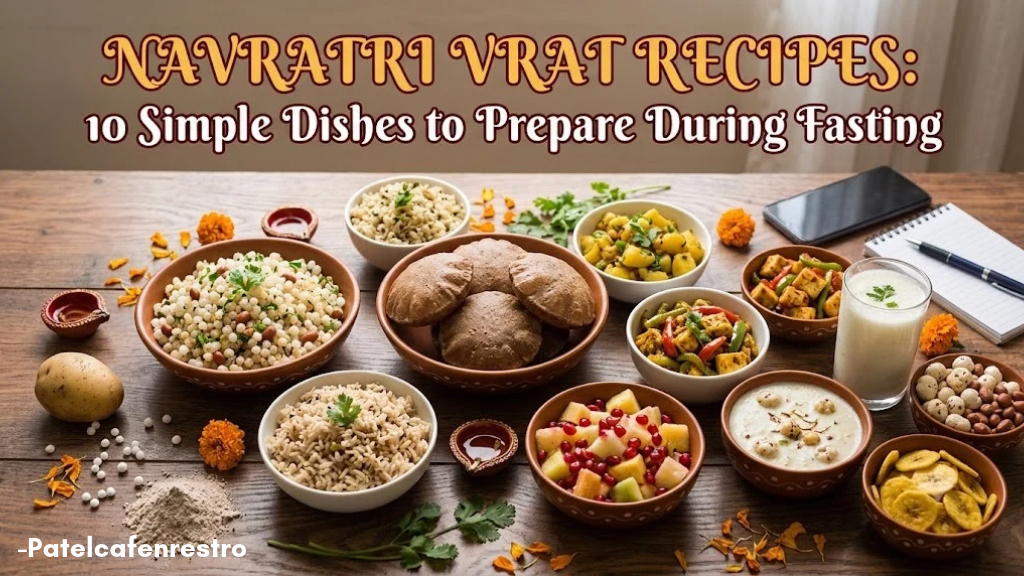
If you are looking for easy and tasty food ideas, these Navratri Vrat Recipes are perfect for you. From crispy Sabudana Vada and delicious Kuttu Ki Khichdi to creamy Makhane Ki Kheer, there are many dishes you can enjoy during Navratri fasting.
In this blog, we will share 10 easy Navratri Fast Recipes that you can prepare at home with simple ingredients. These recipes include healthy breakfast options, filling lunch dishes, evening snacks, and delicious desserts.
Whether you are fasting for all nine days or only on selected days, these simple recipes will help you plan your meals and enjoy a variety of traditional flavors during the Navratri festival.
About Navratri Fasting
Navratri fasting is a traditional practice followed by many devotees during the nine days of the festival. People observe fasts to show their devotion to Goddess Durga and seek her blessings. Some devotees fast for all nine days, while others fast only on the first day, the last day, or selected days of Navratri.
During fasting, people follow specific food rules based on their family traditions and religious beliefs. They often prepare simple homemade meals using ingredients such as kuttu, samak rice, sabudana, potatoes, fruits, and dairy products.
Navratri fasting is not only about food but also about prayer, self-discipline, and spiritual growth. Many people use this time to focus on their faith, follow traditional rituals, and enjoy simple, homemade fasting recipes with their families.
Foods Commonly Eaten During Navratri Fasting
During Navratri, many people prepare special dishes using ingredients that are allowed during fasting. These ingredients are used to make a variety of tasty meals, snacks, and desserts.
Here are some common foods eaten during Navratri fasting:
- Kuttu (Buckwheat): Kuttu is used to prepare khichdi, puris, and other fasting dishes.
- Samak Rice: Also known as barnyard millet, samak rice is commonly used to make pulao, khichdi, and idli.
- Sabudana: Sabudana is a popular fasting ingredient used to make sabudana vada, thalipeeth, chivda, and kheer.
- Potatoes: Potatoes are used to prepare tikkis, curries, and different snacks.
- Paneer: Paneer adds flavor and protein to fasting dishes such as aloo paneer tikki.
- Makhana: Makhana, also called fox nuts, can be roasted for snacks or used to make delicious kheer.
- Dairy Products: Milk, curd, and ghee are commonly used in Navratri recipes.
- Fruits and Vegetables: Many people eat fresh fruits and selected vegetables during fasting, depending on their family traditions.
10 Navratri Fast Recipes You Can Easily Prepare at Home
Here are ten delicious Navratri recipes that offer a variety of textures and flavors, from light breakfasts to filling main dishes and festive desserts.
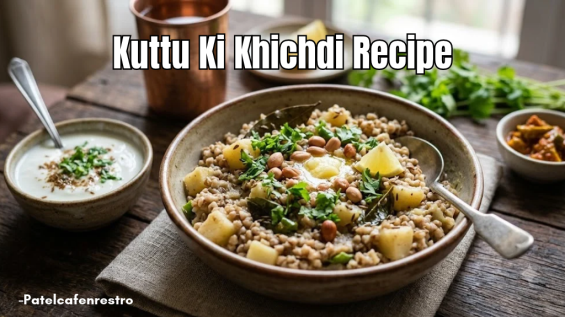
1. Kuttu Ki Khichdi Recipe
Kuttu ki khichdi is a simple and tasty dish that you can prepare during Navratri fasting. It is made with buckwheat, potatoes, ghee, and a few basic spices. This warm and filling dish is a good choice for lunch or dinner during fasting.
Ingredients
1 cup kuttu (buckwheat groats)
1 medium potato, peeled and chopped
1 teaspoon cumin seeds
1 tablespoon ghee
2 cups water, or as neededSendha namak (rock salt) to taste
Black pepper to taste
Chopped coriander leaves (optional, if permitted)
How to Make Kuttu Khichdi
- Wash the kuttu groats properly with water and drain them.
- Warm the ghee in a pan, then toss in the cumin seeds and let them sizzle.
- Add the chopped potatoes and cook for a few minutes.
- Add the washed kuttu, sendha namak, and black pepper. Mix well.
- Add water to the pan and let it come to a rolling boil.
- Cover the pan and cook on low heat until the kuttu becomes soft and the water is absorbed.
- Add chopped coriander leaves if permitted, and serve the khichdi hot.
Serving Suggestions
Serve kuttu ki khichdi with plain curd or a fasting-friendly potato curry for a satisfying meal.
2. Samak Rice Pulao Recipe
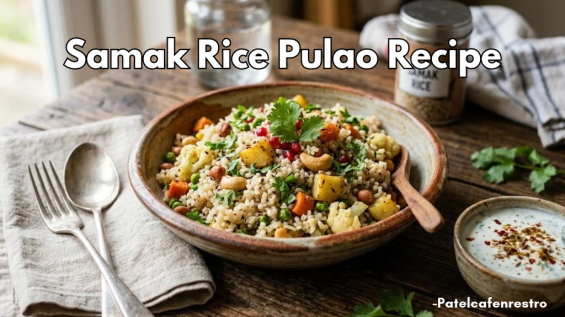
Samak rice pulao is a simple and delicious dish that you can enjoy during Navratri fasting. Samak rice, also known as barnyard millet, is commonly used as a substitute for regular rice during fasting. This pulao is made with samak rice, potatoes, ghee, and a few basic spices. It is a great option for lunch or dinner.
Ingredients
1 cup samak rice
1 medium potato, peeled and chopped
1 teaspoon cumin seeds
1 tablespoon ghee
2 cups water, or as needed
Sendha namak (rock salt) to taste
Black pepper to taste
Chopped coriander leaves (optional, if permitted)
How to Make Samak Rice Pulao
- Wash the samak rice gently with water and drain it.
- Heat ghee in a pan and add cumin seeds.
- Add the chopped potatoes and cook for a few minutes until they start to soften.
- Add the washed samak rice and mix gently.
- Pour in the water and add sendha namak and black pepper.
- Cover the pan and cook on low heat until the rice becomes soft and the water is absorbed.
- Turn off the heat and let the pulao rest for a few minutes.
- Gently fluff the pulao with a fork and garnish with coriander leaves if permitted.
Serving Suggestions
Serve hot samak rice pulao with plain curd or fasting-friendly cucumber raita, if the ingredients are allowed during your fast.
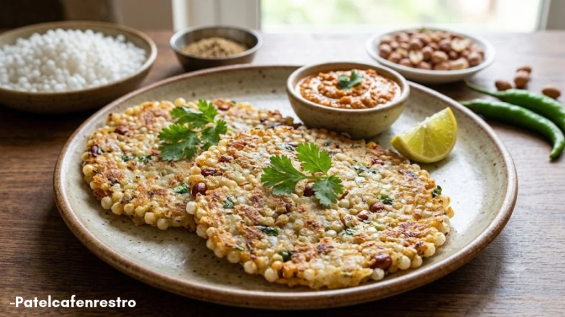
3. Sabudana Thalipeeth Recipe
Sabudana thalipeeth is a tasty Maharashtrian dish that many people enjoy during Navratri fasting. It is made with soaked sabudana, boiled potatoes, crushed peanuts, and a few simple spices. This flatbread is crispy on the outside and soft on the inside. It is a delicious option for breakfast or an evening snack.
Ingredients
1 cup sabudana
2 medium boiled potatoes
1/2 cup roasted peanuts, crushed
1 green chilli, finely chopped
1 teaspoon cumin seeds
Sendha namak (rock salt) to taste
Ghee for cooking
How to Make Sabudana Thalipeeth
- Wash the sabudana and soak it according to the package instructions until the pearls become soft.
- Drain the excess water completely.
- Peel and mash the boiled potatoes in a bowl.
- Add the soaked sabudana, crushed peanuts, chopped green chilli, cumin seeds, and sendha namak.
- Mix all the ingredients well to make a soft mixture.
- Divide the mixture into small portions and flatten each portion into a round shape.
- Heat a tawa and grease it with a little ghee.
- Place the thalipeeth on the tawa and cook over medium-low heat.
- Flip it carefully and cook both sides until golden brown and crispy.
Serving Suggestions
Serve hot sabudana thalipeeth with peanut chutney or plain curd, depending on your fasting rules.
4. Sabudana Vada Recipe
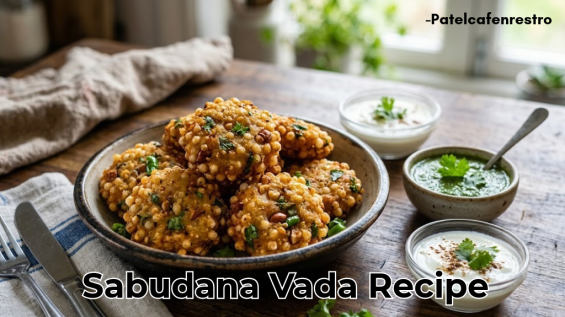
Sabudana vada is a popular and tasty snack enjoyed during Navratri fasting. These crispy vadas are made with soaked sabudana, boiled potatoes, crushed peanuts, and a few simple spices. They are crunchy on the outside and soft on the inside, making them perfect for breakfast or an evening snack.
Ingredients
1 cup sabudana
2 medium boiled potatoes
1/2 cup roasted peanuts, crushed
1 green chilli, finely chopped
1 teaspoon cumin seeds
Sendha namak (rock salt) to taste
Oil or ghee for cooking
How to Make Sabudana Vada
- Wash the sabudana and soak it according to the package instructions until the pearls become soft.
- Drain the excess water properly.
- Peel and mash the boiled potatoes in a large bowl.
- Add the soaked sabudana, crushed peanuts, chopped green chilli, cumin seeds, and sendha namak.
- Mix all the ingredients well.
- Take small portions of the mixture and shape them into round, flat vadas.
- Heat oil in a pan and carefully add the vadas.
- Cook the tikkis on medium heat, flipping them as needed, until both sides are crisp and golden.
- Remove the vadas and place them on kitchen paper to absorb excess oil.
- Serve hot and enjoy!
- You can also cook the vadas in an air fryer. Lightly brush them with oil and cook according to your air fryer’s instructions until they become golden and crisp.
Serving Suggestions
Serve hot sabudana vadas with plain curd or fasting-friendly coriander chutney.
5. Sama Chawal Idli Recipe
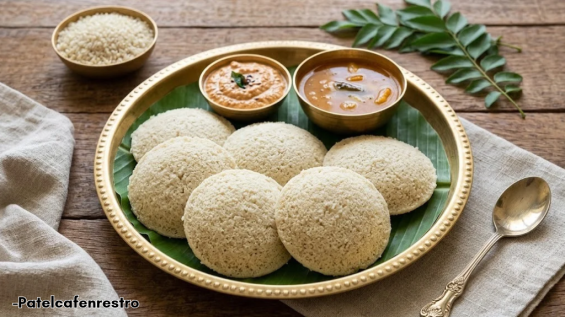
Sama chawal idli is a soft and tasty breakfast option for Navratri fasting. It is made with samak rice, curd, and a few simple ingredients. These idlis are steamed instead of fried, making them a good alternative to fried fasting snacks.
Ingredients
1 cup samak rice
1/2 cup plain curd
Water as needed
Sendha namak (rock salt) to taste
1/2 teaspoon fruit salt or a suitable raising agent (optional, if permitted)
Ghee for greasing the idli moulds
How to Make Sama Chawal Idli
- Wash the samak rice properly and soak it in water for about 2–3 hours.
- Drain the water and grind the rice into a smooth or slightly coarse batter. Add a little water if needed.
- Place the batter in a mixing bowl and stir in the curd until well combined.
- Mix well and let the batter rest for about 20–30 minutes.
- Stir in the sendha namak until everything is well combined. The batter should have a thick yet pourable consistency.
- If using fruit salt or another suitable raising agent, add it just before steaming and mix gently.
- Grease the idli moulds with a little ghee.
- Pour the batter into the moulds and place them in a steamer.
- Let the idlis steam for 10–15 minutes, or until they are fully cooked and firm.
- Allow the idlis to cool slightly, then remove them from the moulds and serve warm.
Serving Suggestions
Enjoy sama chawal idli with plain curd or fasting-friendly coconut chutney, depending on your fasting rules.
6. Sabudana Chivda Recipe
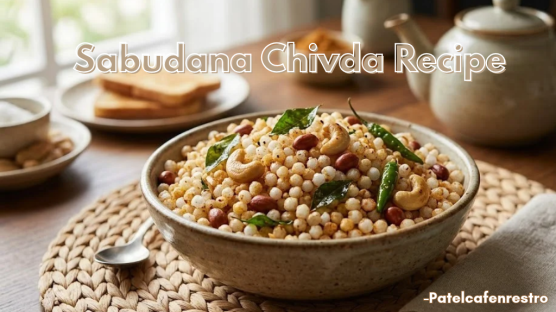
Sabudana chivda is a crunchy and tasty snack that you can enjoy during Navratri fasting. It is made with crispy sabudana, roasted peanuts, and a few simple spices. You can prepare it for evening snacks or make it in advance and store it for later.
Ingredients
1 cup dried sabudana crisps or suitable dried sabudana pearls
1/2 cup roasted peanuts
8–10 curry leaves (optional, if permitted)
1 green chilli, chopped (optional)
Sendha namak (rock salt) to taste
Black pepper to taste
Oil or ghee as required
How to Make Sabudana Chivda
- Heat oil in a deep pan. If using dried sabudana crisps, fry a small batch at a time until they puff up and become crispy.
- Remove the crisps carefully and place them on kitchen paper to drain excess oil.
- Heat a little ghee in another pan.
- Add the peanuts and roast them until they become crunchy and aromatic.
- Add the curry leaves and green chilli, if permitted, and cook briefly.
- Add the prepared sabudana crisps to the pan.
- Sprinkle with sendha namak and black pepper.
- Mix everything gently so the spices coat the ingredients evenly.
- Let the chivda cool completely before serving or storing it in an airtight container.
Serving Suggestions
Enjoy sabudana chivda as an evening snack with tea or another fasting-friendly beverage.
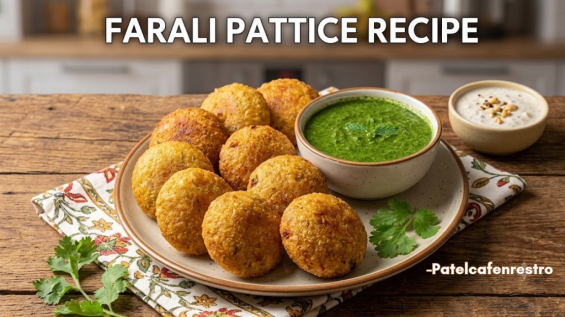
7. Farali Pattice Recipe
Farali pattice is a popular Gujarati snack that many people enjoy during Navratri fasting. It is made with mashed potatoes and filled with a tasty mixture of crushed peanuts, coconut, and spices. The outer layer becomes crispy when cooked, while the inside remains soft and flavorful.
Ingredients
For the outer layer:
3 medium boiled potatoes
Sendha namak (rock salt) to taste
1–2 tablespoons arrowroot flour or another fasting-friendly binding ingredient (optional)
For the filling:
1/2 cup roasted peanuts, crushed
2 tablespoons grated coconut
1 green chilli, finely chopped
1 teaspoon lemon juice
Chopped coriander leaves (optional, if permitted)
Sendha namak to taste
For cooking:
Oil or ghee as required
How to Make Farali Pattice
- Peel the boiled potatoes and mash them until smooth.
- Add sendha namak and arrowroot flour, if needed. Mix well to make a mixture that is easy to shape.
- In another bowl, mix the crushed peanuts, grated coconut, green chilli, lemon juice, coriander leaves, and sendha namak.
- Take a small portion of the potato mixture and flatten it in your palm.
- Place a spoonful of the peanut filling in the center.
- Gently bring the edges together and seal the filling inside.
- Shape it into a round or oval patty. Repeat with the remaining mixture.
- Heat a little oil or ghee in a pan.
- Place the patties in the pan and cook over medium-low heat until golden brown on both sides.
- Remove from the pan and serve hot.
Serving Suggestions
Serve farali pattice with fasting-friendly chutney or plain curd, depending on your fasting rules.
8. Sabudana Kheer Recipe
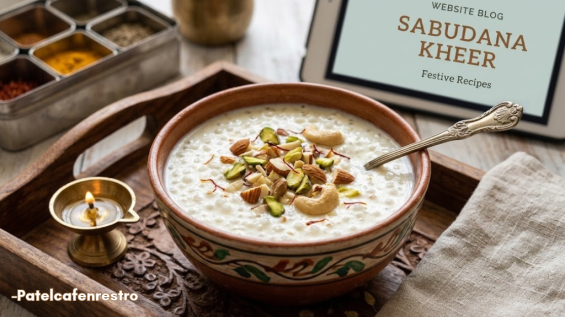
Sabudana kheer is a sweet and creamy dessert that is perfect for Navratri fasting. It is made with sabudana, milk, sugar, and cardamom. Chopped nuts add extra flavor and crunch to this delicious dessert. Enjoy it fresh and warm, or refrigerate it for a cool, refreshing treat.
Ingredients
1/4 cup sabudana
3 cups milk
3–4 tablespoons sugar, or as per taste
1/4 teaspoon cardamom powder
1 tablespoon chopped almonds
1 tablespoon chopped cashews
A few raisins (optional)
How to Make Sabudana Kheer
- Wash the sabudana and soak it according to the package instructions.
- Pour the milk into a heavy-bottomed pan and bring it to a gentle boil.
- Drain the soaked sabudana and add it to the hot milk.
- Cook on low heat and stir regularly to prevent the sabudana from sticking to the bottom.
- Continue cooking until the sabudana becomes soft and transparent.
- Add sugar and cardamom powder. Mix well.
- Stir in the sliced almonds, cashew pieces, and raisins if desired.
- Cook for a few more minutes until the kheer becomes creamy and reaches your preferred thickness.
- Turn off the heat and let it cool slightly.
- Serve warm or refrigerate it for a few hours if you prefer chilled kheer.
Serving Suggestions
Serve sabudana kheer as a sweet dessert after your Navratri fasting meal. You can also enjoy a small bowl whenever you crave something sweet.
9. Makhane Kheer Recipe
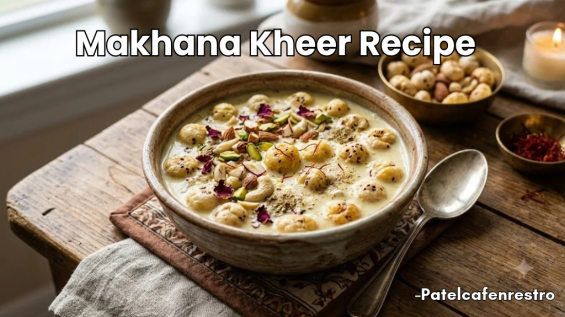
Makhane ki kheer is a delicious and creamy dessert made with fox nuts (makhana), milk, sugar, and cardamom. Chopped nuts add extra flavor and crunch. It is a great sweet dish to enjoy during Navratri fasting because it can be prepared without grains.
Ingredients
1 cup makhana (fox nuts)
3 cups milk
3–4 tablespoons sugar, or according to taste
1 tablespoon chopped almonds
1 tablespoon chopped cashews
1/4 teaspoon cardamom powder
1 teaspoon ghee (optional)
How to Make Makhane Ki Kheer
- Heat ghee in a pan. Add the makhana and roast them on low heat until they become crisp.
- Remove the pan from the heat and leave the roasted makhana to cool for a few minutes.
- Crush some of the makhana into small pieces. Keep the remaining makhana whole.
- Pour the milk into a heavy-bottomed pan and bring it to a gentle boil.
- Gently stir the roasted makhana into the milk and let it simmer over a low flame.
- Stir occasionally and let the makhana soften. Simmer until the milk turns creamy and slightly thick.
- Add sugar and cardamom powder. Mix well until the sugar dissolves.
- Add the chopped almonds and cashews.
- Cook for another few minutes, stirring occasionally.
- Turn off the heat and allow the kheer to cool slightly before serving.
Serving Suggestions
Serve makhane ki kheer warm for a comforting dessert during Navratri fasting. You can also refrigerate it for a few hours and enjoy it chilled.
10. Aloo Paneer Tikki Recipe
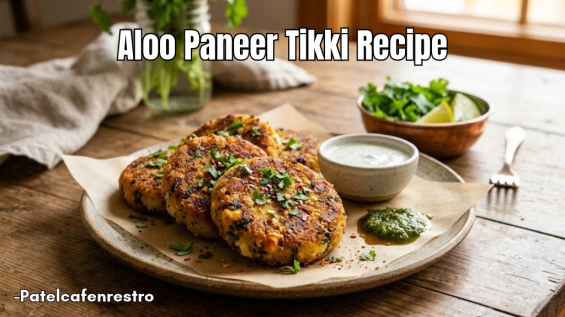
Aloo paneer tikki is a tasty and filling snack made with boiled potatoes, paneer, and mild spices. It is a great option for Navratri fasting if you want something savory instead of the usual sabudana snacks. These tikkis have a crunchy crust and a tender center.
Ingredients
2 medium boiled potatoes
100 grams paneer, crumbled
1 green chilli, finely chopped
1/2 teaspoon cumin powder
Black pepper, according to taste
Sendha namak (rock salt), according to taste
1–2 tablespoons arrowroot flour or another fasting-approved binder (optional)
Ghee or oil for shallow-frying
Chopped coriander, if permitted during your fast
How to Make Aloo Paneer Tikki
- Remove the potato skins and mash the potatoes in a bowl.
- Add the crumbled paneer, chopped green chilli, cumin powder, black pepper, and sendha namak.
- Mix all the ingredients well until they form a smooth mixture.
- If the mixture feels too soft or sticky, add a little arrowroot flour or another binder permitted during your fast.
- Divide the mixture into equal portions and shape each portion into a small, flat tikki.
- Heat a tawa or flat pan and grease it with a little ghee or oil.
- Place the tikkis on the pan and cook them over medium-low heat until the bottom turns golden brown.
- Carefully flip each tikki and cook the other side until it becomes golden and slightly crispy.
- Make sure the tikkis are heated through, then remove them from the pan.
- Serve hot and enjoy!
Serving Suggestions
Serve aloo paneer tikki hot with plain curd or a fasting-friendly mint or coriander chutney. It makes a delicious evening snack or a light addition to your Navratri fasting meal.
Navratri Festival in India
Navratri is a major Hindu festival celebrated across India in honor of Goddess Durga and her various forms. The word “Navratri” means “nine nights.” During this festival, people worship Goddess Durga, offer prayers, visit temples, and celebrate with their families. Chaitra Navratri and Sharad Navratri are the two most widely celebrated Navratri festivals in India.
Navratri is celebrated in different ways across the country. In Gujarat, people enjoy Garba and Dandiya Raas, while in other states, devotees celebrate with special pujas, devotional songs, and traditional rituals.
Food is also an important part of the Navratri celebration. Many people observe fasting and prepare special dishes using ingredients that are allowed during their fast. Popular fasting ingredients include kuttu (buckwheat), samak rice, sabudana, potatoes, fruits, dairy products, and makhana.
Fasting practices differ across families and regions. Some devotees fast for all nine days, while others observe it on specific days and enjoy simple meals that follow their traditions.
Navratri is a time for devotion, celebration, and enjoying traditional food. By following your family’s fasting customs, you can celebrate the festival with faith and enjoy a variety of delicious Navratri recipes.
Conclusion
Navratri is a time for devotion, celebration, and enjoying traditional food with family. With simple ingredients and a little planning, you can prepare delicious fasting meals at home.
These 10 Navratri Vrat Recipes include tasty options for breakfast, lunch, snacks, and desserts. From kuttu ki khichdi and samak rice pulao to sabudana vada and makhane ki kheer, there is something for everyone.
Choose recipes that suit your fasting traditions and enjoy homemade food throughout the festival.
Celebrate Navratri with devotion, delicious food, and these easy fasting recipes!