
Traditional Indian Healthy Ingredients
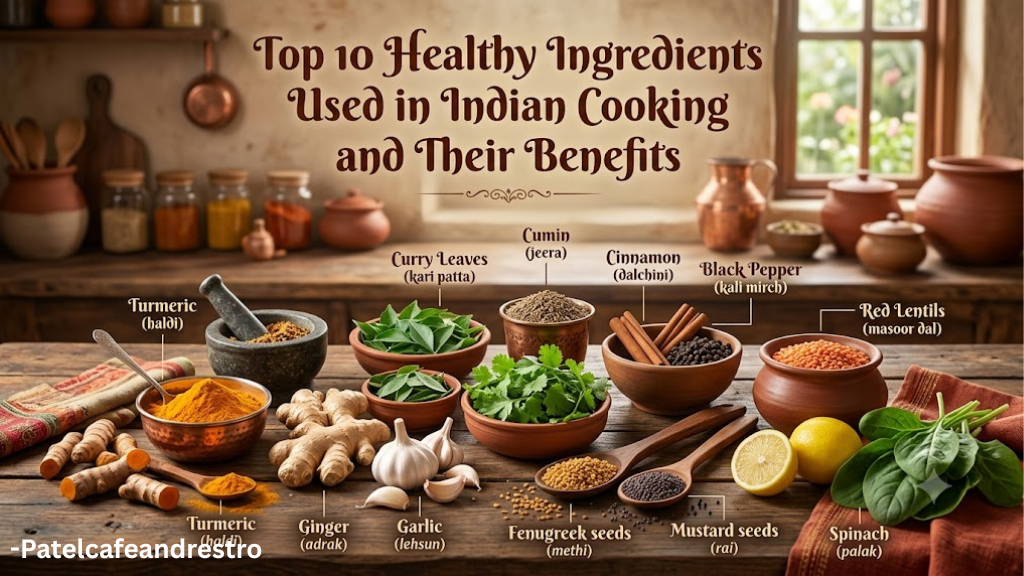
Indian food is loved around the world for its delicious flavors, aromatic spices, and healthy ingredients. Traditional Indian cooking uses fresh vegetables, herbs, spices, lentils, and whole grains that not only make food tasty but also provide essential nutrients for a healthy lifestyle.
Many of these ingredients have been used for hundreds of years in Indian households and Ayurvedic practices. Everyday kitchen staples like turmeric, ginger, garlic, cumin, and lentils are packed with vitamins, minerals, antioxidants, and other natural compounds that help support immunity, improve digestion, promote heart health, and boost overall well-being.
In this blog, we’ll explore the top 10 healthy ingredients used in Indian cooking, their amazing health benefits, nutritional value, and simple ways to include them in your daily meals for a healthier and more balanced diet.
Best 10 Indian Healthy Ingredients
1. Turmeric (Haldi)
Turmeric, also known as Haldi, is one of the most commonly used spices in Indian cooking. It gives food its bright yellow color and warm flavor while offering many health benefits. Turmeric contains curcumin, a natural compound known for its powerful antioxidant and anti-inflammatory properties. It has been used in Ayurveda for centuries to support overall health and wellness.
Health Benefits of Turmeric
- Helps reduce inflammation in the body
- Strengthens the immune system
- Supports healthy joints and bones
- Promotes glowing and healthy skin
- Supports brain health and memory
- Protects the body from harmful free radicals
Common Uses in Indian Cooking
- Dal (Lentil Curry)
- Vegetable Curries
- Rice Dishes
- Turmeric Milk (Golden Milk)
- Soups and Stews
Tip: Adding a small pinch of black pepper with turmeric can help the body absorb curcumin more effectively, allowing you to get the most out of its health benefits.
2. Ginger (Adrak)
Ginger (Adrak) is one of the most popular ingredients in Indian cooking. It is known for its strong aroma, spicy flavor, and many health benefits. For generations, ginger has been used in both cooking and traditional home remedies. It not only enhances the taste of food but also helps keep the body healthy.
Health Benefits of Ginger
- Helps improve digestion
- Relieves nausea and motion sickness
- Provides relief from cold, cough, and sore throat
- Supports heart health
- Helps reduce muscle pain and inflammation
- Boosts metabolism and overall energy
Common Uses in Indian Cooking
- Ginger Tea (Adrak Chai)
- Curry Gravies
- Vegetable Stir-Fries
- Chutneys
- Soups and Broths
Tip: Fresh ginger is the best choice for cooking because it adds a rich flavor and retains more of its natural nutrients.
3. Garlic (Lahsun)
Garlic (Lahsun) is a popular ingredient used in many Indian dishes. It has a strong flavor that makes food more delicious and is also known for its many health benefits. Garlic has been used in traditional Indian cooking and natural remedies for centuries to support overall health and wellness.
Health Benefits of Garlic
- Helps maintain healthy blood pressure
- Supports a healthy heart
- Strengthens the immune system
- Helps manage cholesterol levels
- Contains natural antibacterial and antioxidant properties
- Promotes healthy blood circulation
Common Uses in Indian Cooking
- Dal Tadka
- Paneer Dishes
- Vegetable Curries
- Garlic Naan
- Chutneys and Dips
Tip: Fresh garlic provides the best flavor and nutritional benefits. Crushing or chopping garlic a few minutes before cooking helps release its natural compounds, making it even more beneficial.
4. Cumin Seeds (Jeera)
Cumin Seeds (Jeera) are one of the most commonly used spices in Indian cooking. They have a warm, earthy flavor that adds a delicious taste to many dishes. Along with enhancing flavor, cumin seeds are packed with nutrients that support good digestion and overall health.
Health Benefits of Cumin Seeds
- Helps improve digestion
- A good source of iron
- Supports healthy blood sugar levels
- May help with weight management
- Reduces gas and bloating
- Helps the body absorb nutrients more effectively
Common Uses in Indian Cooking
- Jeera Rice
- Dal (Lentil Curry)
- Vegetable Curries
- Raita
- Spice Mixes (Masalas)
Tip: Roasting cumin seeds before adding them to your dishes enhances their aroma and flavor, making your meals even more delicious.
5. Coriander (Dhaniya)
Coriander (Dhaniya) is a popular herb and spice used in almost every Indian kitchen. Both fresh coriander leaves and coriander seeds are used to add fresh flavor and aroma to a variety of dishes. Along with adding fresh flavor to dishes, coriander is rich in essential nutrients that help maintain good health.
Health Benefits of Coriander
- Rich in Vitamin C and Vitamin K
- Helps improve digestion
- Supports the body’s natural detox process
- Promotes healthy and glowing skin
- Contains natural antioxidants that support overall health by protecting cells.
- Helps keep your breath fresh naturally
Common Uses in Indian Cooking
- Garnishing Curries
- Fresh Chutneys
- Salads
- Soups
- Rice Dishes
Tip: Add freshly chopped coriander leaves at the end of cooking to preserve their fresh flavor, aroma, and nutrients.
6. Lentils (Dal)
Lentils (Dal) are a staple food in Indian households and an important part of a healthy vegetarian diet. They are rich in plant-based protein, fiber, vitamins, and minerals, making them a nutritious choice for people of all ages. Eating dal regularly helps provide energy and supports overall health.
Health Benefits of Lentils
- Excellent source of plant-based protein
- Rich in dietary fiber for better digestion
- Keeps you full for a longer time
- Supports muscle growth and repair
- Promotes heart health
- Helps maintain healthy blood sugar levels
Popular Types of Dal
- Toor Dal (Arhar Dal)
- Moong Dal
- Masoor Dal
- Chana Dal
- Urad Dal
Tip: Serve dal with brown rice or whole wheat roti for a wholesome meal packed with protein, fiber, and essential nutrients.
7. Spinach (Palak)
Spinach (Palak) is one of the healthiest green leafy vegetables used in Indian cooking. It is packed with vitamins, minerals, iron, and antioxidants that help keep your body strong and healthy. Spinach is a great addition to everyday meals because it is both nutritious and low in calories.
Health Benefits of Spinach
- Rich in iron to support healthy blood
- Helps maintain good eyesight
- Strengthens bones with essential nutrients
- Boosts the immune system
- Promotes healthy and glowing skin
- Low in calories, making it a good choice for a healthy diet
Popular Spinach Dishes
- Palak Paneer
- Spinach Dal
- Palak Soup
- Mixed Vegetable Curry
Tip: Cook spinach for a short time to preserve its nutrients, natural color, and fresh taste. Avoid overcooking, as it may reduce its nutritional value.
8. Fenugreek (Methi)
Fenugreek (Methi) is a healthy ingredient that is widely used in Indian cooking. Both fresh methi leaves and fenugreek seeds are rich in nutrients and add a slightly bitter yet delicious flavor to many dishes. Methi has been used in traditional Indian kitchens for generations because of its many health benefits.
Health Benefits of Fenugreek
- Helps maintain healthy blood sugar levels
- Supports better digestion
- Rich in dietary fiber
- Helps maintain healthy cholesterol levels
- Supports healthy weight management
- Promotes healthy hair and scalp
Common Uses of Fenugreek in Indian Cooking
- Methi Paratha
- Methi Curry
- Dal
- Pickles
- Spice Blends (Masalas)
Tip: Fresh methi leaves can be added to curries, parathas, and dals to increase both the flavor and nutritional value of your meals.
9. Yogurt (Curd)
Yogurt (Curd) is a nutritious dairy food that is commonly enjoyed in Indian households. It is a natural source of probiotics, which are beneficial bacteria that help keep your digestive system healthy. Besides being delicious and refreshing, curd is packed with essential nutrients that support overall health.
Health Benefits of Yogurt
- Supports a healthy digestive system
- Rich in calcium for strong bones and teeth
- Helps strengthen the immune system
- Aids in better digestion
- Helps maintain a cool and refreshed feeling during warm weather.
- Provides protein and other essential nutrients
Common Uses in Indian Cooking
- Raita
- Lassi
- Kadhi
- Marinades for Paneer and Vegetables
- Smoothies
Tip: Choose fresh homemade or plain yogurt without added sugar to enjoy its natural taste and maximum health benefits.
10. Mustard Seeds (Rai)
Mustard Seeds (Rai) are small seeds that add a rich aroma and delicious flavor to many Indian dishes. They are commonly used for tempering (tadka) in both North Indian and South Indian cooking. Besides enhancing the taste of food, mustard seeds are packed with healthy nutrients that support overall well-being.
Health Benefits of Mustard Seeds
- Rich in healthy fats that support overall health
- Helps maintain a healthy heart
- Contains natural anti-inflammatory properties
- A good source of important minerals like calcium, magnesium, and selenium
- Supports healthy digestion
- Provides antioxidants that help protect cells from everyday damage.
Common Uses in Indian Cooking
- Vegetable Curries
- Pickles
- Sambhar
- Coconut Chutney
- Tempering (Tadka) for Dal and Vegetable Dishes
Tip: Add mustard seeds to hot oil before cooking. Once they start popping, they release their rich aroma and enhance the flavor of your dish.
Why Indian Cooking Is Naturally Healthy
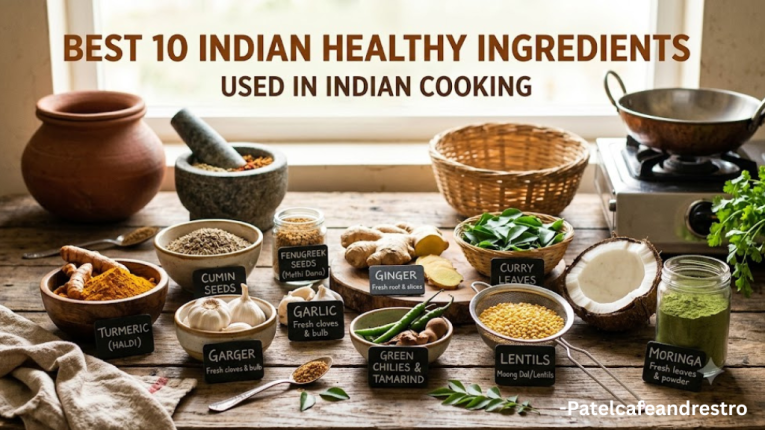
Indian cooking is known for using fresh, natural, and wholesome ingredients. A traditional Indian meal is usually well-balanced and includes a mix of grains, vegetables, lentils, dairy, herbs, and spices. This balanced combination gives your body the nutrients it needs to stay healthy and active.
A healthy Indian meal often includes:
- Whole grains such as wheat, millet (bajra), and rice
- Protein-rich lentils, beans, and legumes
- Fresh seasonal vegetables
- Flavorful herbs and natural spices
- Dairy products like curd, paneer, and buttermilk
- Freshly prepared food with very few processed ingredients
Because of this balanced combination, Indian meals provide carbohydrates, protein, healthy fats, fiber, vitamins, and minerals in the right amounts. When prepared with fresh ingredients and moderate oil, traditional Indian food can be a delicious and nutritious choice for people of all ages.
Frequently Asked Questions (FAQs)
1. Which is the healthiest ingredient used in Indian cooking?
Turmeric (Haldi) is one of the healthiest ingredients used in Indian cooking. It contains curcumin, a natural compound that helps reduce inflammation, supports immunity, and protects the body from harmful free radicals.
2. Are Indian spices good for digestion?
Yes. Many Indian spices, such as ginger, cumin, coriander, and fennel, are known to support healthy digestion. They may help reduce bloating, improve gut health, and make food easier to digest.
3. Can Indian food be part of a healthy diet?
Absolutely! Indian food can be very healthy when it is prepared with fresh vegetables, whole grains, lentils, natural spices, and moderate amounts of oil. A balanced Indian meal provides essential nutrients needed for good health.
4. Which Indian ingredients help boost immunity?
Several common kitchen ingredients, including turmeric, ginger, garlic, yogurt (curd), and coriander, are rich in nutrients and antioxidants that help support a healthy immune system.
5. Is vegetarian Indian food a good source of protein?
Yes. Vegetarian Indian meals include many protein-rich foods such as lentils (dal), chickpeas, kidney beans (rajma), soy products, paneer, milk, and yogurt, making them a great choice for a balanced and nutritious diet.
Final Thoughts
Indian cooking is much more than rich flavors and aromatic spices—it’s a celebration of wholesome, nutritious ingredients that have nourished generations. From the anti-inflammatory benefits of turmeric to the protein-packed goodness of lentils and the digestive support of ginger and cumin, every ingredient plays a valuable role in promoting better health.
By incorporating these top 10 healthy ingredients used in Indian cooking into your daily meals, you can enjoy delicious food while supporting your overall well-being. Whether you’re preparing a simple home-cooked meal or dining at your favorite café or restaurant, choosing dishes made with fresh, natural ingredients is a step toward a healthier lifestyle.
Start adding these nutritious Indian staples to your kitchen today and experience the perfect blend of taste, tradition, and wellness.


