
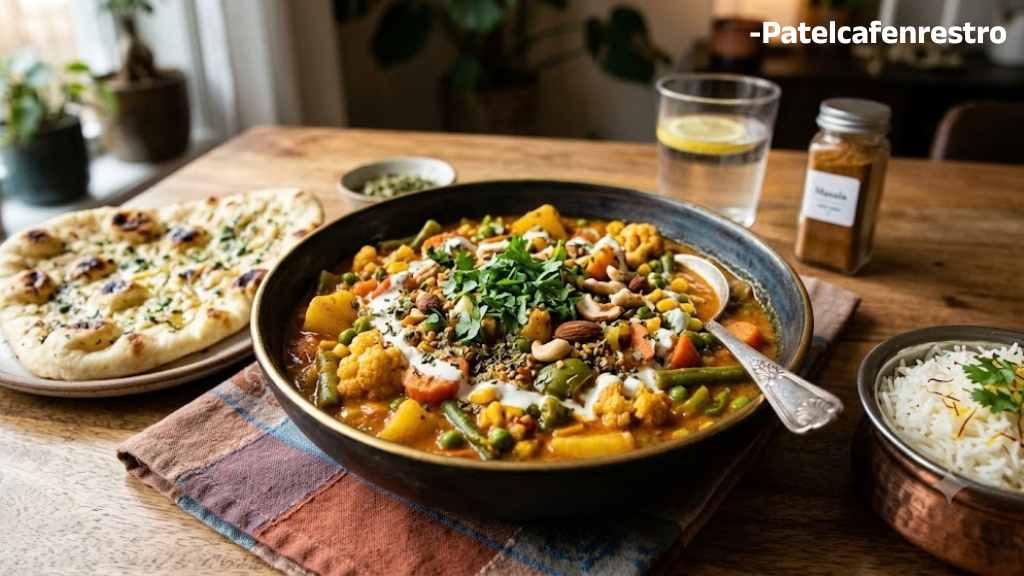
Vegetable Curry / Veg Curry
Looking for an easy, delicious, and comforting Indian dish that can be prepared with everyday vegetables? This Mixed Vegetable Curry Recipe is a perfect choice. Made with a combination of fresh vegetables, aromatic spices, onions, tomatoes, and a flavorful gravy, this curry is simple to prepare and works well for lunch or dinner.
A homemade Veg Curry Recipe is an easy way to enjoy a variety of vegetables in one delicious dish. You can choose vegetables based on what you have at home, such as potatoes, carrots, peas, beans, cauliflower, capsicum, or fresh seasonal vegetables. Mix and match your favorites to create a tasty Mixed Veg Curry that suits your taste.
In this article, you will learn how to make vegetable curry, the ingredients required, an easy step-by-step cooking method, useful tips, and different ways to serve this flavorful Indian curry.
What Is Vegetable Curry? / About Veg Curry
Vegetable curry is a popular Indian dish made with a mix of fresh vegetables, onions, tomatoes, and flavorful spices. Depending on the recipe, it can be prepared with a thick gravy, a light curry, or a semi-dry masala.
One of the best things about a Vegetable Curry Recipe is that it is very flexible. You can use different vegetables based on what you have at home. Potatoes, carrots, peas, cauliflower, beans, and capsicum are some common choices. You can also adjust the spices to make the curry mild or spicy according to your taste.
A Homestyle Vegetable Curry is easy to prepare and uses simple ingredients that are commonly available in the kitchen. It is a great option for a quick family lunch or dinner.
Vegetable curry tastes delicious with roti, chapati, naan, paratha, steamed rice, or jeera rice. It is a simple and comforting dish that can be enjoyed any day of the week.
Why You Will Love This Mixed Vegetable Curry
This easy Mixed Veg Curry Recipe is worth trying for several reasons:
- Easy to prepare: The recipe uses simple cooking steps.
- Everyday ingredients: You can make it with vegetables and spices easily available at home.
- Customizable: Add your favorite vegetables or use seasonal produce.
- Perfect for everyday meals: It works well for both lunch and dinner.
- Full of flavor: Basic Indian spices give the curry a delicious taste.
- Great with rice or roti: Serve it with your favorite Indian bread or rice.
- A convenient meal: Combining different vegetables makes it an easy way to enjoy a variety of vegetables in one dish.
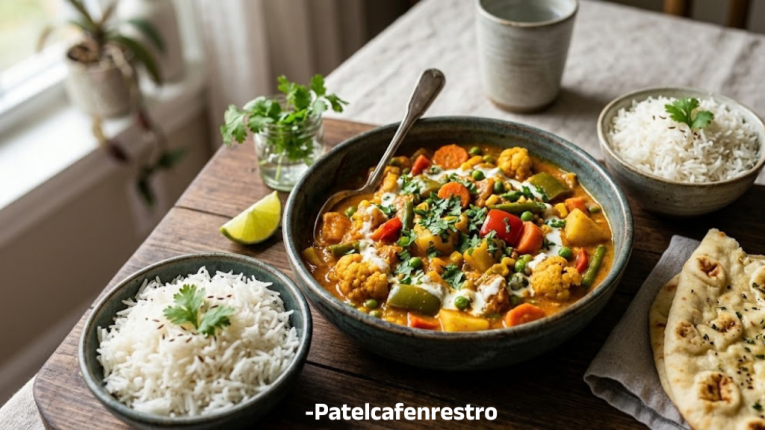
Vegetable Curry Recipe Ingredients
Before you start cooking, keep all the ingredients ready. This will make the Homemade Veg Curry Recipe easier and quicker to prepare.
Vegetables
For this Mixed Veg Curry Recipe, you can use a combination of fresh vegetables such as:
- 1 medium potato, peeled and cut into cubes
- 1 carrot, chopped
- ½ cup green peas
- ½ cup cauliflower florets
- ½ cup chopped beans
- ½ capsicum, chopped
- 1 small onion, finely chopped
- 2 medium tomatoes, finely chopped or pureed
You can add more or fewer vegetables depending on your taste and the number of servings.
Spices and Other Ingredients
You will also need:
- 2 tablespoons cooking oil
- 1 teaspoon cumin seeds
- 1 teaspoon ginger-garlic paste
- ½ teaspoon turmeric powder
- 1 teaspoon red chili powder
- 1 teaspoon coriander powder
- ½ teaspoon cumin powder
- ½ teaspoon garam masala
- Salt as required
- 1 to 1½ cups water
- Fresh coriander leaves for garnishing
For extra flavor, you can also add a little kasuri methi. If you prefer a creamy curry, a small amount of fresh cream can be added.
Feel free to change the vegetables and spice level to match your personal taste and preference. This flexibility makes this Indian-Style Vegetable Curry Recipe perfect for everyday home cooking.
How to Make Vegetable Curry / Mixed Veg Curry Recipe
Now let’s learn Step-by-Step Vegetable Curry Recipe. Even beginners can prepare this simple recipe using a regular cooking pan or kadai.
Step 1: Prepare the Vegetables
- Wash all the vegetables properly with water. Peel the potato and carrot if needed, then cut all the vegetables into small, similar-sized pieces.
- Cut the vegetables into similar-sized pieces to help them cook evenly and at the same time.
- If you are using cauliflower, peas, or beans, wash them well and drain the excess water.
Step 2: Heat the Oil
- Heat a pan or kadai over medium flame and pour in about 2 tablespoons of oil.
- Once the oil is hot, add cumin seeds. Let them crackle for a few seconds. This gives the curry a nice aroma and flavor.
Step 3: Cook the Onion
- Add the finely chopped onion and cook until it becomes soft and light golden.
- Stir the onions from time to time so they cook evenly without sticking to the pan or getting burnt.
- Well-cooked onions make the curry more flavorful.
Step 4: Add Ginger-Garlic Paste
- Stir in the ginger-garlic paste and let it cook briefly for around a minute.
- Stir continuously until its raw aroma fades. Avoid overcooking or burning the paste, as it can make the curry taste bitter.
Step 5: Add Tomatoes and Spices
- Add the chopped or blended tomatoes to the pan and stir well.
- Sprinkle in turmeric, red chili powder, coriander powder, cumin powder, and salt. Mix until the spices are evenly combined.
- Let the masala cook over medium heat until the tomatoes soften and the mixture becomes thick.
- Once the masala is well cooked, a small amount of oil may begin to appear around the edges.
Step 6: Add the Vegetables
- Add all the prepared vegetables to the masala.
- Toss the vegetables gently with the prepared masala until they are evenly covered, then cook everything together for a few minutes.
Step 7: Add Water and Cook
- Pour in around 1 to 1½ cups of water, adjusting the amount to get your preferred gravy consistency.
- Mix well and bring the curry to a gentle boil. Cover the pan with a lid and cook on medium-low heat until the vegetables become tender.
- Avoid overcooking the vegetables, as they may become too soft or mushy.
Step 8: Add Garam Masala
- Once the vegetables are cooked, check the consistency of the curry.
- If the gravy is too thick, add a little warm water.
- If the gravy is too thin, cook the curry uncovered for a few more minutes.
- Add garam masala and mix gently. You can also add a little crushed kasuri methi for extra flavor and aroma.
Step 9: Garnish and Serve
- Turn off the heat and garnish the curry with freshly chopped coriander leaves.
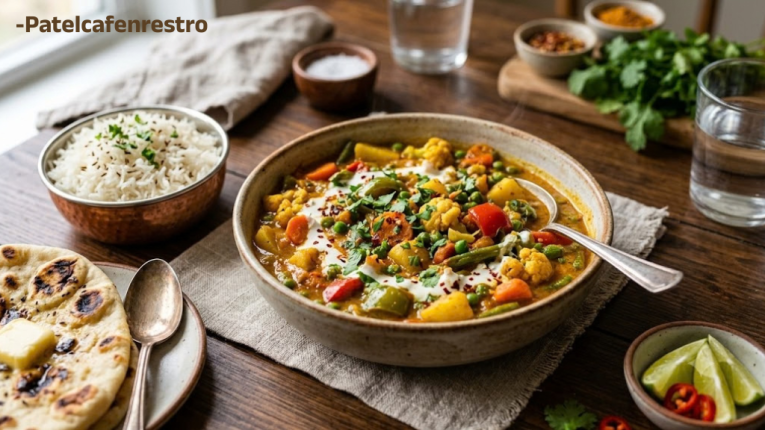
Your delicious Indian-Style Vegetable Curry Recipe is now ready to serve. Enjoy it hot with roti, chapati, naan, paratha, or rice.
Also try this:
Veg Lollipop Recipe: Crispy Restaurant-Style Indo-Chinese Snack Make at Home
Delicious Veg Biryani Recipe: Step by Step Guide for Lunch and Dinner
Mix Veg Paratha Recipe (Vegetable Paratha) – A Delightful Treat by Patel Cafe & Restro
Butter Paneer Masala: The Ultimate Restaurant-Style Indian Classic
Tips for Making a Perfect Vegetable Curry
A few simple tips can make your Mixed Vegetable Curry even more flavorful.
Use Fresh Vegetables
Fresh and seasonal vegetables generally provide better flavor and texture. You can use vegetables that are easily available in your kitchen.
Do Not Overcook the Vegetables
Avoid overcooking; keep the vegetables tender yet firm.
Adjust the Gravy
Adjust the water to get the consistency you like. A thicker curry pairs well with roti or naan, while a slightly lighter gravy is ideal with rice.
Cook the Masala Properly
One of the most important steps in any Indian curry is cooking the onion and tomato masala properly. Give the tomatoes enough time to soften and blend with the spices.
Adjust Spices to Taste
The amount of chili powder, garam masala, and salt can be adjusted according to your taste. If you prefer a mild curry, reduce the chili powder.
Variations of Mixed Veg Curry
One of the best things about this Veg Curry Recipe is that you can change it in many ways.
Creamy Vegetable Curry
For a richer curry, add a small amount of fresh cream toward the end of cooking. This creates a smooth and creamy texture.
Restaurant-Style Vegetable Curry
To make a richer restaurant-style version, you can use cashew paste or cream along with a well-cooked onion-tomato gravy.
Dry Mixed Vegetable Curry
If you prefer less gravy, reduce the amount of water and cook the vegetables until they are coated with the masala. This makes a delicious semi-dry vegetable curry.
Coconut Vegetable Curry
For a different flavor, add coconut milk or freshly prepared coconut paste. This gives the curry a creamy texture and a distinct taste.
Spicy Indian Vegetable Curry
If you enjoy spicy food, increase the amount of chili powder or add fresh green chilies. However, adjust the spice level according to your preference.
What Vegetables Can Be Used in Vegetable Curry?
You don’t need to use exactly the same vegetables every time. Some good options include:
- Potato
- Carrot
- Green peas
- Cauliflower
- French beans
- Capsicum
- Sweet corn
- Broccoli
- Bottle gourd
- Pumpkin
- Spinach
You can use two or more vegetables or create a colorful mixed vegetable curry with several varieties.

Common Mistakes to Avoid
While preparing a Homemade Vegetable Curry Recipe, avoid these common mistakes:
- Adding too much water: This can make the curry watery and dilute the flavor.
- Using too much spice: More spices do not always mean better flavor. Start with a moderate quantity and adjust as needed.
- Overcooking vegetables: Vegetables should be tender but not completely mushy.
- Burning the masala: Cook the onion, ginger-garlic paste, and spices over medium heat and stir regularly.
- Adding too much garam masala: Garam masala has a strong flavor, so a small amount is usually enough.
Frequently Asked Questions (FAQs)
1. What is veg curry made of?
Vegetable curry is generally made with mixed vegetables, onions, tomatoes, cooking oil, and Indian spices. The exact ingredients can vary depending on the recipe and personal preference.
2. Can I use frozen vegetables for mixed vegetable curry?
Yes. Frozen peas and mixed vegetables can be used when fresh vegetables are not available. However, cooking time may vary depending on the type of frozen vegetables used.
3. Which vegetables are best for mixed veg curry?
Potatoes, carrots, peas, cauliflower, beans, and capsicum are popular choices. You can also add seasonal vegetables according to availability.
4. How can I make vegetable curry thicker?
You can reduce the amount of water or cook the curry uncovered for a few extra minutes. For a creamy version, you can also add cashew paste or a small amount of cream.
5. How can I make veg curry less spicy?
Reduce the amount of red chili powder and green chilies. You can also add a little cream or yogurt, depending on the recipe, to create a milder flavor.
6. Can I prepare vegetable curry in advance?
Yes. Vegetable curry can be prepared in advance and stored properly in the refrigerator. Reheat it thoroughly before serving.
7. Can I make this recipe without onion and garlic?
Yes. You can prepare an onion-free and garlic-free version by adjusting the recipe and using suitable spices and ingredients according to your dietary preferences.
Final Thoughts
This Mixed Vegetable Curry Recipe is a simple and flavorful way to enjoy a variety of vegetables in one delicious meal. With basic ingredients, everyday Indian spices, and a straightforward cooking process, you can prepare a comforting Homestyle Vegetable Curry for your family.
Whether you serve it with roti, chapati, naan, paratha, or rice, this Indian-Style Vegetable Curry Recipe can easily become part of your regular meal menu.
The best part is that the recipe is flexible. You can add your favorite vegetables, adjust the spice level, change the consistency, and even create a creamy or dry version according to your preference.
If you are searching for how to make veg curry at home, this easy step-by-step recipe is a great place to start. Prepare it with fresh vegetables and enjoy a flavorful homemade meal with your family.


